

 Send Inquiry
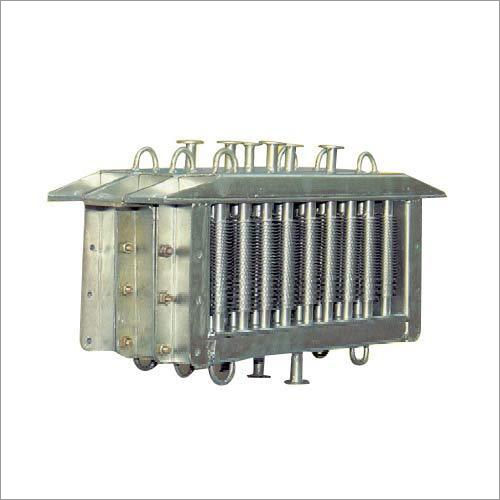
Rice Dryer Heat Exchanger
Price 50000.00 INR/ Unit
MOQ : 1 Unit
Rice Dryer Heat Exchanger Specification
- Max Pressure
- Up to 12 bar
- Max. Capacity
- 30,000 to 85,000 kcal/hr (range based on model)
- Thickness
- 4-8 mm (shell and fin thickness options)
- Number of Pipe
- Typically 20-48 tubes (customizable)
- Air Volume
- 3500-9000 m3/hr
- Temperature
- Inlet temp up to 300C
- Diameter
- Tube diameter: 25-40 mm (varies)
- Usage
- Industrial
- Condition
- New
- Structure
- Horizontal, multi-pass finned-tube arrangement
- Liquid Flow Rate
- 1200-3500 LPH (liters per hour), depending on configuration
- Working Presssure
- 2-10 bar (typical range for heat exchangers)
- Power
- No direct power consumption (passive heat exchange unit)
- Weight
- Approx. 300-850 kg (varies with size)
- Dimensions
- Custom-sized; standard: approx. 2500 mm x 1400 mm x 600 mm
- Installation Type
- Horizontal floor/roof mountable
- Application
- Used for indirect drying of rice and food grains in dryers
- Cleaning Method
- Removable end plates for easy cleaning and maintenance
- Flow Arrangement
- Counterflow / Crossflow options
- Corrosion Resistance
- High, depending on selected material
- OEM Service
- Available on request
- Efficiency
- Thermal efficiency up to 85%
- Life Span
- 10-15 years with proper maintenance
- Material of Construction
- Stainless Steel (304/316) or Carbon Steel options
- Heat Transfer Area
- 16 to 54 m2 (model dependent)
Rice Dryer Heat Exchanger Trade Information
- Minimum Order Quantity
- 1 Unit
- Supply Ability
- 1 Unit Per Week
- Delivery Time
- 7 Days
- Sample Policy
- Contact us for information regarding our sample policy
- Packaging Details
- AS per Requirement
- Main Export Market(s)
- Middle East
- Main Domestic Market
- All India
Rice Dryer Heat Exchanger About
Our firm has gained recognition as an affluent manufacturer and supplier of Rice Dryer Heat Exchanger. Used for efficient heat transfer from one medium to another, this heat exchanger is broadly demanded in oil, chemical, gas and many more industries. The offered heat exchanger is manufactured from the premium quality components and advance technology by our skilled professionals. In line with clients variegated needs, we provide this heat exchanger in several specifications at most genuine rates.
Features:
- Reliable functioning
- Low power consumption
- Sturdy construction
Uses:
- Our Heat Exchanger in Chemical. Veneer Dryer, Tea Dryer, Textile Industry, Pharmaceutical and Processing industries etc.
Superior Materials and Construction
Offering Stainless Steel (304/316) and Carbon Steel options, this exchanger guarantees durability and high corrosion resistance. The robust fabrication ensures long service life under challenging industrial conditions and frequent cleaning procedures.
Efficient and Flexible Operation
Supporting both counterflow and crossflow configurations, the heat exchanger is adaptable to different process requirements. It delivers thermal efficiency of up to 85% and handles a wide range of air volumes and fluid flow rates for flexible drying operations.
User-Friendly Maintenance
Engineered for practicality, removable end plates facilitate quick inspection and thorough cleaning-ensuring minimal downtime and extended operational lifespan. Horizontal installation allows placement versatility across floors and roofs in industrial environments.
FAQ's of Rice Dryer Heat Exchanger:
Q: How does the rice dryer heat exchanger improve the drying process for rice and grains?
A: By utilizing indirect heat transfer, the unit ensures uniform and efficient drying of rice and grains without direct contact with the heating medium. This method preserves grain quality, minimizes contamination, and supports high throughput.Q: What are the main benefits of using stainless steel (304/316) or carbon steel for construction?
A: Stainless steel provides excellent corrosion resistance and easy cleaning, ideal for food-grade applications, while carbon steel offers a cost-effective solution for non-corrosive environments. Both materials are durable and extend the exchanger's lifespan.Q: When should the exchanger be cleaned, and how is maintenance performed?
A: Regular inspection and cleaning are recommended, especially after each drying cycle or as set by operational standards. Maintenance is simplified by removable end plates, allowing convenient access for cleaning and inspection without dismantling the system.Q: Where can the heat exchanger be installed in an industrial setup?
A: The system's horizontal structure accommodates installation on both factory floors and roofs. Its design suits various industrial dryer layouts, providing flexibility during plant expansion or reconfiguration.Q: What is the typical operating process of this heat exchanger?
A: Hot air or fluid passes through the tubes while the grains are dried on the shell side, with the unit supporting either counterflow or crossflow movement, maximizing heat transfer and energy efficiency.Q: What is the expected lifespan and warranty for the heat exchanger?
A: With proper maintenance, the exchanger is designed to operate effectively for 10-15 years. Warranty is provided to cover manufacturing defects and ensure peace of mind for users.Q: Does the system consume power directly during operation?
A: No, as a passive heat exchange unit, it relies on the flow of hot fluids and does not have direct power consumption. Its design contributes to energy-efficient drying processes in industrial environments.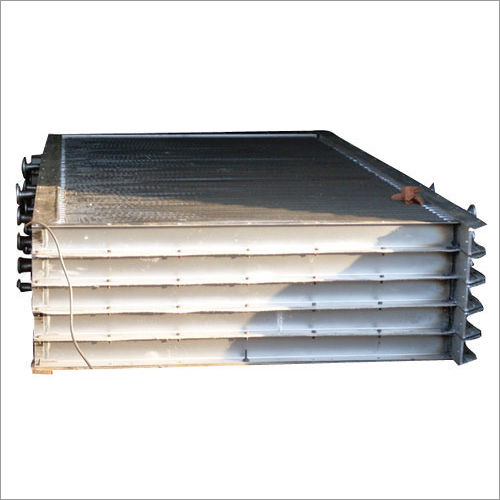
Tell us about your requirement

Price:
Quantity
Select Unit
- 50
- 100
- 200
- 250
- 500
- 1000+
Additional detail
Mobile number
Email

More Products in Rice Mill Heat Exchanger Category
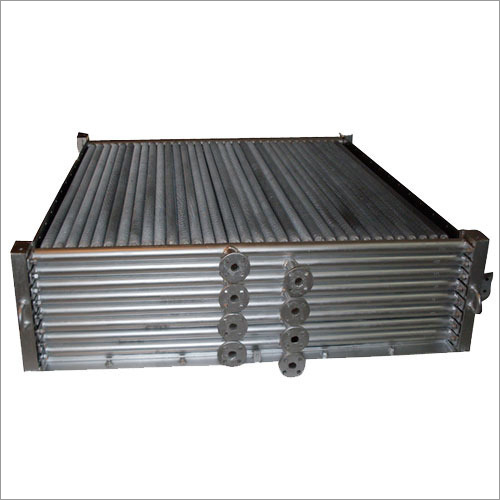
Folding Heat Exchanger
Price 150000 INR / Unit
Minimum Order Quantity : 1 Unit
Power : N/A (passive component)
Temperature : Other, 20C to 200C
Max. Capacity : Up to 1,00,000 kcal/hr (varies by application)
Usage : Industrial
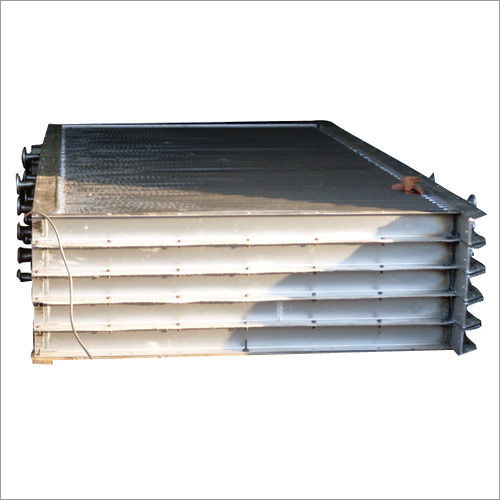
Box Heat Exchanger
Price 200000.00 INR / Unit
Minimum Order Quantity : 1 Unit
Power : Not applicable (Passive heat exchanger)
Temperature : Other, Up to 200C
Max. Capacity : Up to 100,000 kcal/hr
Usage : Industrial
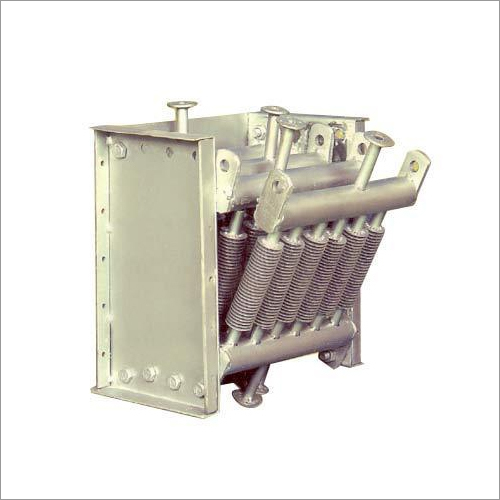
Single Row Heat Exchanger
Price 150000 INR / Unit
Minimum Order Quantity : 1 Unit
Power : Not Applicable (Passive Component)
Temperature : Other, 20C to 120C
Max. Capacity : 10000 kcal/hr
Usage : Industrial
Double Row Heat Exchanger
Price 200000 INR / Unit
Minimum Order Quantity : 1 Unit
Power : Custom According to Application
Temperature : 10C to 120C

Contact Us

- B No. 41/A, Ahmedabad Cotton Mill Compound Central Warehouse, Narol, NIDC,Ahmedabad - 382405, Gujarat, India
- Phone : 08071630542
AIR HEAT INDUSTRIES
GST : 24AXFPK2834G1ZP

- Mr Rajesh (Proprietor)
- Mobile : 08071630542
-
 Send Inquiry
 Send Inquiry
 Send Inquiry
 Send SMS
 Call Me Free
AIR HEAT INDUSTRIES
All Rights Reserved.(Terms of Use)
Developed and Managed by Infocom Network Private Limited.
Developed and Managed by Infocom Network Private Limited.


