About Rice Mill Heat Exchanger
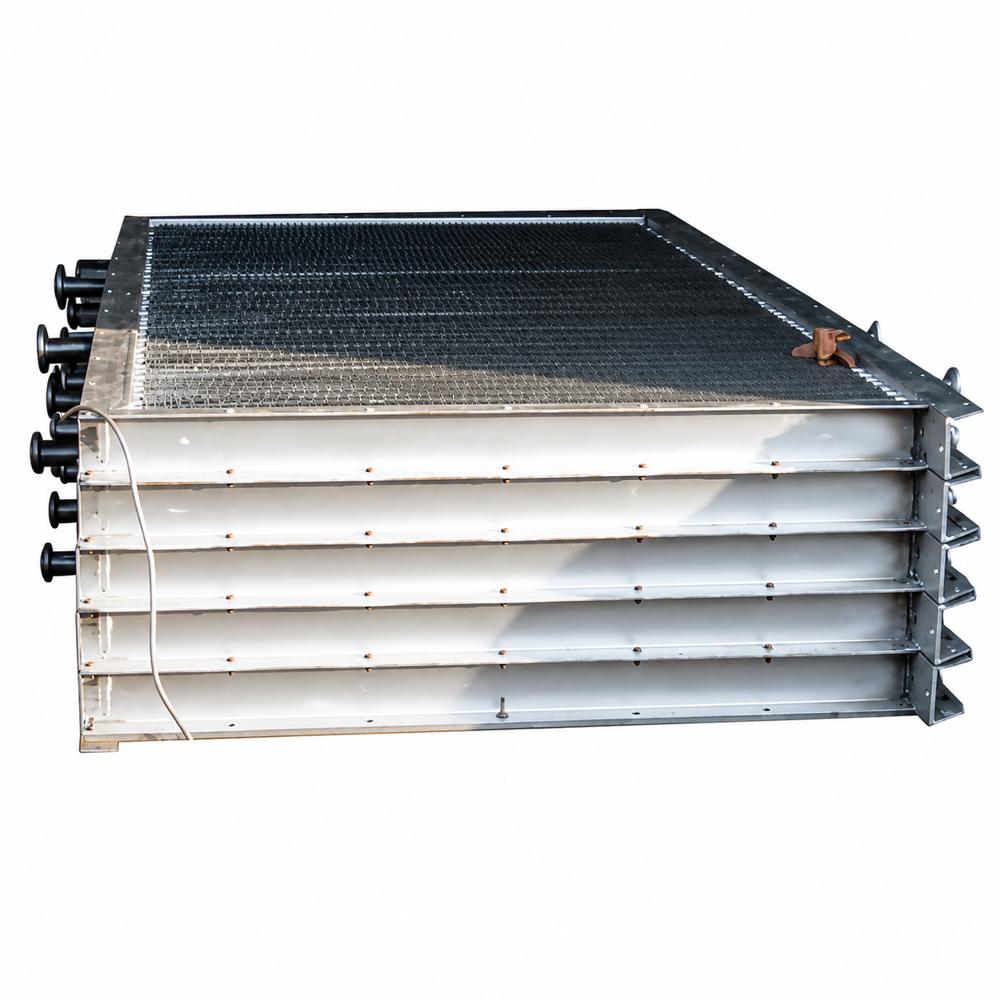
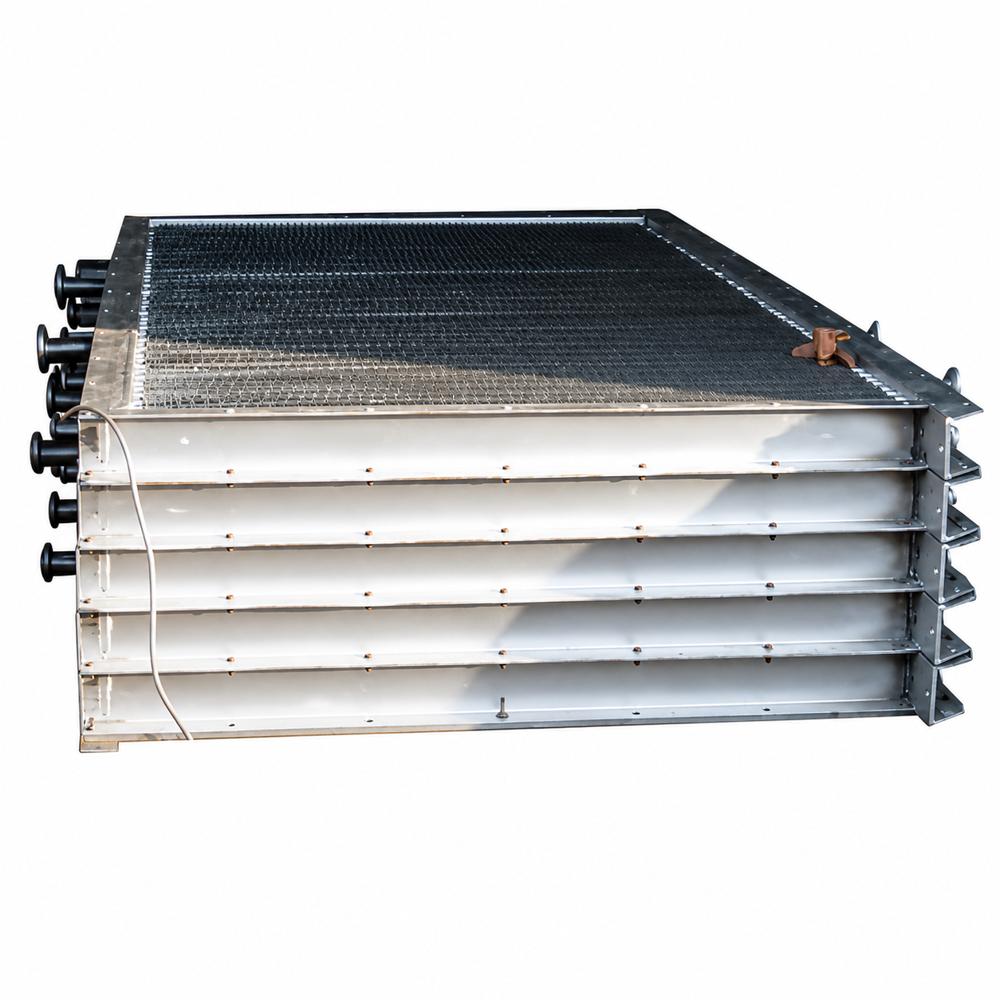
Owing to our expertise in this domain, we offer Industrial Rice Mill Dryer that is utilized to dry paddy to make it alright for capacity. This item lessens grain dampness content to a level for capacity. It is made by using great quality required materials with the help of innovative technology. The provided Industrial Rice Mill Dryer is appropriately kept an eye on the different quality boundaries before dispatching it from our premises. Our customers can benefit equivalent inside the promised timeframe.
Versatile Industrial ApplicationsOur Box Heat Exchanger stands out as a robust solution for a range of industrial processes, including power generation, HVAC, chemical handling, and process cooling. Its design accommodates both air and liquid mediums, offering adjustable heat transfer areas and flow rates. This adaptability ensures that the exchanger efficiently supports varied operational requirements across industrial sectors.
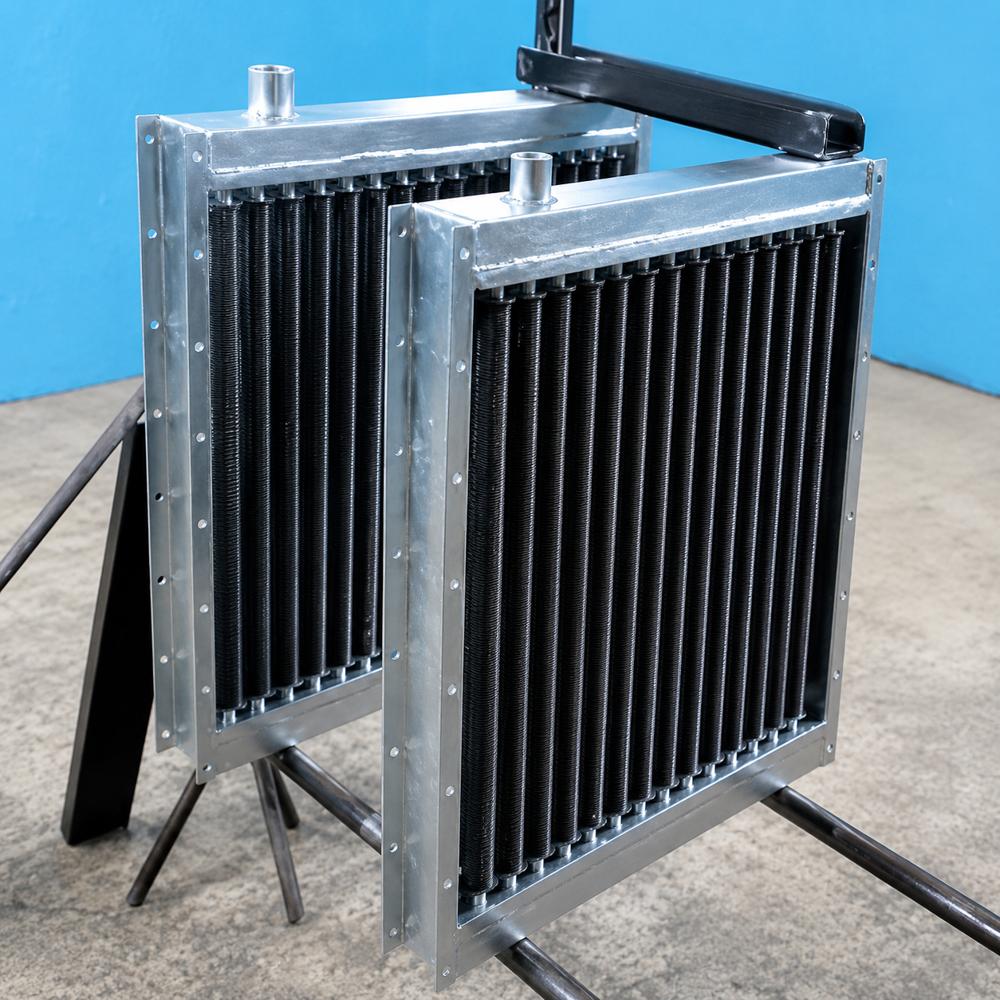
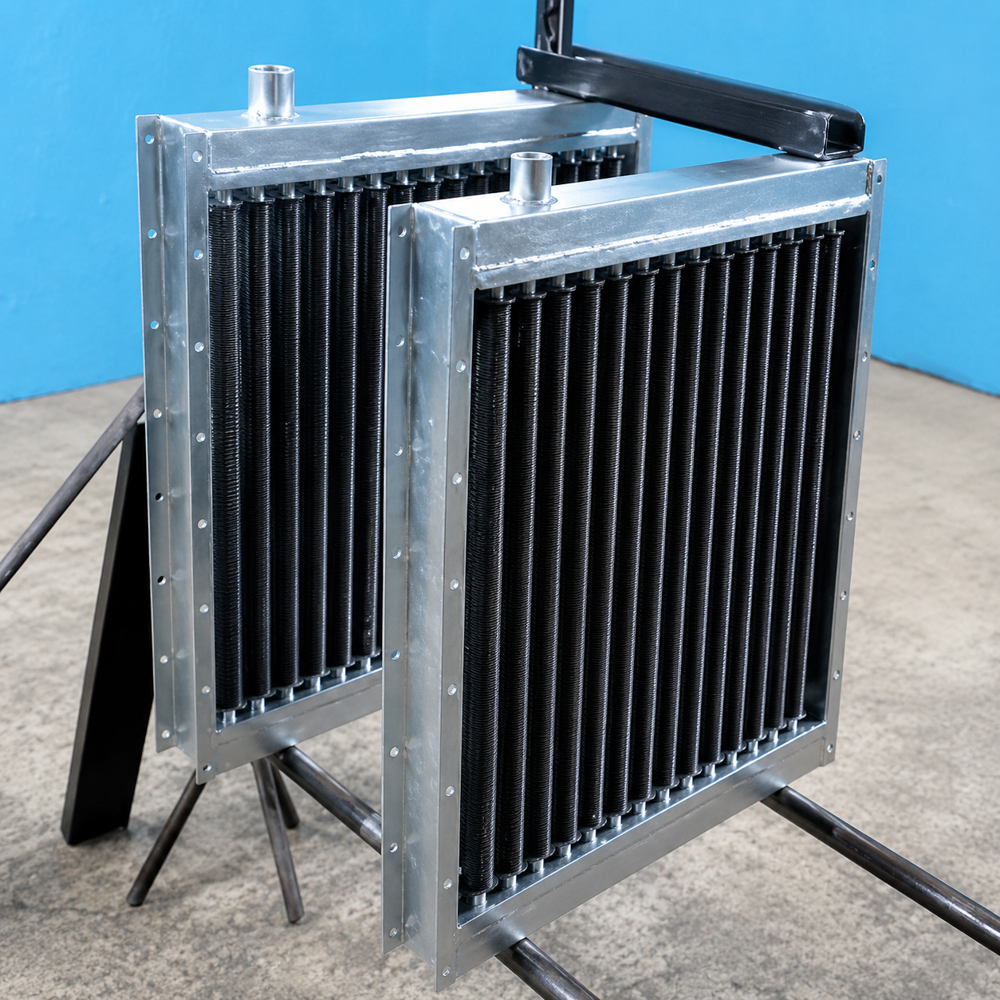
High-Grade Stainless Steel ConstructionBuilt with SS 304 or SS 316 options, this heat exchanger offers superior resistance to corrosion and wears, ensuring longevity even under demanding rice mill conditions. Stainless steel is preferred for food industry applications, and the 2-4 mm plate thickness provides robust support. The fusion welding and expanded tubes enhance strength and reliability, making it a trustworthy investment for continuous rice processing.
Customizable Heat Transfer & InstallationWith a heat transfer area ranging from 6.5 to 20 m2, this heat exchanger adapts to various rice mill capacities. Its horizontal mount allows flexible installation in new or existing parboiling or drying lines. Threaded or flanged connections simplify integration. Additionally, air volume and liquid flow rates are tailored to process requirements, maximizing drying efficiency and energy savings.
Efficient, Passive, and Low-Maintenance OperationOperating passively, the heat exchanger requires no external power, lowering running costs. Maintenance is straightforward due to its accessible design and easy-to-clean structure. With a multi-layer tube-fin configuration and sturdy construction, servicing is infrequent, minimizing downtime and ensuring ongoing, reliable heat transfer for rice processing.
FAQ's of Rice Mill Heat Exchanger:
Q: How does the rice mill heat exchanger improve parboiling and drying efficiency?
A: The multi-layer fin-and-tube design maximizes heat transfer, enabling rapid and consistent temperature control during parboiling and drying. Its customizable air volume and liquid flow rates allow the system to match rice processing requirements, boosting productivity and reducing energy consumption.
Q: What is the benefit of using stainless steel (SS 304/316) for the heat exchanger?
A: Stainless steel (SS 304/316) provides excellent corrosion and wear resistance, making it ideal for food industry environments. It ensures hygiene, durability, and longevity, supporting sustained performance even under harsh operating conditions and high temperatures.
Q: When should the heat exchanger be cleaned or maintained, and how easy is the process?
A: Routine maintenance is recommended based on operational intensity and process duration, although the design emphasizes low maintenance needs. Cleaning is straightforward due to accessible surfaces and fusion-welded joints, ensuring minimal downtime and fast servicing.
Q: Where is the heat exchanger installed in a rice mill setup?
A: The heat exchanger is typically horizontally mounted within the parboiling or drying section of the rice mill. Its installation accommodates both new and existing lines, with flexible threaded or flanged connections for easy integration.
Q: What manufacturing technology is used for this heat exchanger, and why is it important?
A: Fusion welding and tube expansion techniques are employed, resulting in robust joints and reliable structure. These methods ensure long-term durability under high pressure and temperature, reducing the risk of leaks and maintenance issues.
Q: How does the device handle high-pressure and large processing volumes?
A: The industrial-grade exchanger supports working pressures up to 16 bar and maximum rice processing capacities of 1000-5000 kg/h. Its strong structure, including 2-4 mm plates and 25 mm pipe diameters, accommodates significant liquid flow rates, making it suitable for high-demand applications.
Q: What are the advantages of a passive heat exchanger for rice mills?
A: A passive heat exchanger doesn't require external power, lowering operational costs and simplifying system design. Its efficient, low-maintenance operation further ensures reliable heat transfer without complicated controls or frequent intervention.


 Send Inquiry




 Send Inquiry

 Send Inquiry
 Send SMS



